Cash Flow Management Guide for Australian Small Businesses 2026
Cash flow is the lifeblood of every Australian small business. According to the Australian Securities and Investments Commission (ASIC), poor cash flow management is one of the leading causes of small business failure. This comprehensive guide will help you understand, forecast, and optimise your business cash flow in 2026.
Understanding Cash Flow Basics
Cash flow refers to the movement of money into and out of your business. It's distinctly different from profit—a business can be profitable on paper while still running out of cash to pay bills. Understanding this distinction is crucial for Australian business owners.
Cash Inflows include customer payments, loan proceeds, tax refunds from the ATO, grant funding, and investment income. Cash Outflows cover supplier payments, wages and superannuation, rent and utilities, loan repayments, tax payments (including GST and PAYG), and equipment purchases.The 13-Week Cash Flow Forecast
The 13-week rolling cash flow forecast is the gold standard for Australian small businesses. This timeframe covers a full quarter, aligning with BAS lodgement periods and giving you enough visibility to make informed decisions.
Creating Your Forecast:1. Start with your opening bank balance — Check your actual bank balance, not your accounting software balance.
2. Project your weekly receipts — Be realistic. Use historical data and consider seasonal patterns specific to your industry.
3. List all expected payments — Include regular expenses (rent, wages) and irregular ones (quarterly BAS, annual insurance).
4. Calculate weekly closing balances — This shows when cash might get tight.
5. Review and update weekly — Replace projections with actuals and extend the forecast.
Managing Debtors Effectively
Slow-paying customers can cripple your cash flow. Australian businesses wait an average of 53 days for payment, well beyond standard 30-day terms.
Strategies to Improve Collections: Invoice Immediately — Send invoices the day work is completed or goods are delivered. Every day's delay extends your payment wait. Make Payment Easy — Offer multiple payment options including BPAY, direct debit, and credit card. Consider services like Ezidebit or GoCardless for automatic collections. Credit Checks — Use services like Equifax or CreditorWatch to check new customers before extending credit. The cost is minimal compared to a bad debt. Clear Terms — State payment terms prominently on invoices. Include your bank details and a due date in bold. Follow Up System — Implement a systematic follow-up process. Send reminders at 7 days overdue, call at 14 days, and consider a collections process at 30 days.Negotiating Better Supplier Terms
While you work to collect faster, negotiate longer payment terms with suppliers. Many Australian suppliers offer terms of 30, 45, or even 60 days.
Negotiation Tips: Build Relationships — Regular, reliable customers often receive better terms. Meet suppliers in person when possible. Ask Directly — Many suppliers don't advertise extended terms but will offer them when asked. Offer Something in Return — Commit to minimum order volumes or longer contracts in exchange for better terms. Pay Strategically — Take advantage of early payment discounts when cash flow allows. A 2% discount for paying within 10 days instead of 30 equates to roughly 36% annualised return.Managing Seasonal Fluctuations
Many Australian businesses experience seasonal peaks and troughs. Retail sees Christmas surges, tourism businesses peak in summer, and accountants face tax season rushes.
Strategies for Seasonal Businesses: Build Reserves — During peak periods, set aside funds in a separate account for lean months. Negotiate Seasonal Arrangements — Talk to landlords and suppliers about adjusted payment schedules that match your cash flow pattern. Diversify Revenue — Look for complementary products or services that generate income during off-peak periods. Use Flexible Staffing — Consider casual employees or contractors during peak periods rather than maintaining full-time staff year-round.Working Capital Finance Options
When you need to bridge cash flow gaps, several financing options are available to Australian businesses:
Business Overdraft — A flexible credit facility attached to your business account. You only pay interest on what you use. Major banks like NAB, Commonwealth, Westpac, and ANZ offer business overdrafts. Invoice Financing — Access up to 85% of your outstanding invoice value immediately. Providers like Scottish Pacific, Earlypay, and bank-owned facilities can help. Business Line of Credit — Similar to an overdraft but often with higher limits and competitive rates for established businesses. Short-Term Business Loans — Lenders like Prospa, OnDeck, and Moula offer fast funding for working capital needs.Cash Flow Red Flags
Watch for these warning signs that indicate cash flow problems:
Consistently Overdrawing — Regularly relying on overdraft facilities suggests structural cash flow issues. Paying Suppliers Late — If you're routinely paying beyond terms, address the underlying cause. Unable to Take Opportunities — Missing good deals or growth opportunities due to lack of cash indicates inadequate reserves. Personal Funds Injection — Frequently using personal funds to cover business expenses is a danger signal. Tax Payment Struggles — Difficulty meeting BAS or PAYG obligations means cash isn't being set aside properly.Technology Tools for Cash Flow Management
Modern accounting software makes cash flow management easier for Australian businesses:
Xero — Popular with Australian SMBs, Xero offers cash flow reporting, bank feeds, and integration with payment platforms. MYOB — Long-established in Australia, MYOB provides comprehensive cash flow forecasting tools. QuickBooks Online — Offers automated cash flow insights and projections based on your data. Float — A dedicated cash flow forecasting tool that integrates with Xero and QuickBooks.Setting Up a Cash Reserve
Every Australian business should maintain a cash reserve. The amount varies, but aim for:
Minimum — 2 months of operating expenses for stable businesses with predictable cash flow. Recommended — 3-6 months for businesses with variable income or longer payment cycles. Seasonal Businesses — Enough to cover the entire off-season plus a buffer.Action Plan for Better Cash Flow
1. This Week — Create a 13-week cash flow forecast using actual bank data.
2. This Month — Review your debtor aging report and follow up on overdue accounts.
3. This Quarter — Negotiate improved terms with at least one major supplier.
4. This Year — Build a cash reserve equivalent to at least 2 months of operating expenses.
Getting Professional Help
If cash flow challenges persist, consider engaging:
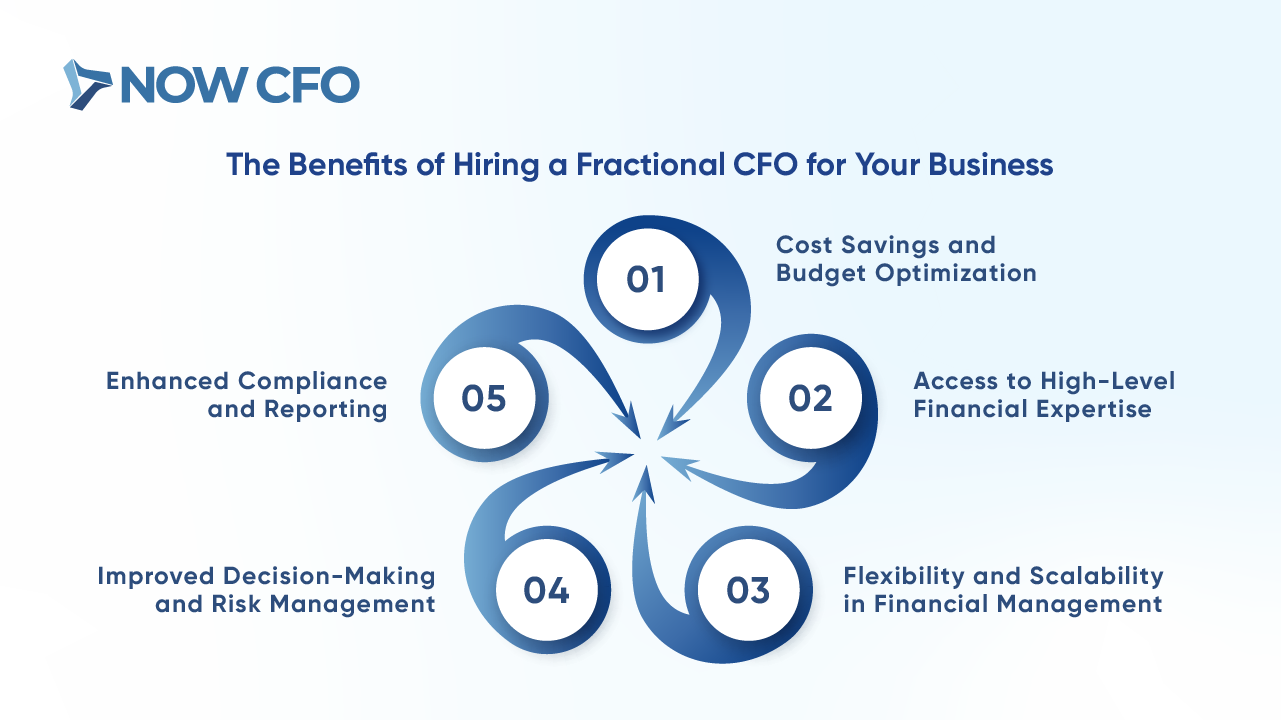
Bookkeepers — For accurate, up-to-date financial records that inform better decisions. Accountants — For strategic advice on tax planning and business structure. Business Advisors — For help implementing cash flow improvements and business strategies. Fractional CFOs — For high-level financial strategy without full-time CFO costs.Cash flow management isn't glamorous, but it's essential. Australian businesses that master their cash flow build resilience, seize opportunities, and grow sustainably. Start with the basics, implement systematic processes, and your business will thrive.